
Choosing the Best Fruit Trees for Your Northeast Backyard
Planting fruit trees in your backyard can transform your outdoor space into a productive and beautiful garden. If you live in the Northeast, selecting the right fruit trees is key to ensuring they thrive in your climate and soil. You want trees that will produce delicious fruit year after year without too much hassle. This guide will help you pick the best fruit trees for your backyard and explain how Dave's Tree Service in Rhinebeck can support you in planting and maintaining them.

What Makes a Fruit Tree Suitable for the Northeast?
The Northeast has cold winters, humid summers, and a relatively short growing season. This means you need fruit trees that can handle frost, resist common diseases, and produce fruit within this timeframe. When choosing the best fruit trees for your backyard, look for varieties that:
Are hardy to USDA zones 4 to 7
Have good resistance to pests and diseases common in the region
Mature early enough to bear fruit before the first frost
Match your soil type and drainage conditions
Top Fruit Trees That Grow Well in the Northeast
Here are some of the best fruit trees for your backyard in the Northeast, based on climate adaptability and fruit quality:
Apple Trees
Apples are a classic choice and grow well in most Northeast backyards. Varieties like Honeycrisp, McIntosh, and Cortland handle cold winters and produce crisp, flavorful fruit. Apple trees also benefit from cross-pollination, so planting two or more varieties nearby can improve yields.
Pear Trees
Pears such as Bartlett and Bosc thrive in the Northeast. They tolerate cold and produce sweet, juicy fruit. Pear trees are generally low-maintenance but require good air circulation to prevent fungal diseases.
Cherry Trees
Both sweet and sour cherries grow well here. Montmorency is a popular sour cherry variety, great for pies and preserves. Sweet cherries like Bing need a bit more care but reward you with delicious fruit.
Peach Trees
Peaches can grow in the Northeast but need careful site selection to avoid late frost damage. Varieties like Redhaven are cold-hardy and ripen early. Peaches require well-drained soil and regular pruning.
Plum Trees
Plums such as Stanley and Methley adapt well to the region. They produce sweet fruit and are relatively disease-resistant. Plums also benefit from cross-pollination.
How to Choose the Best Fruit Trees for Your Backyard
When deciding which fruit trees to plant, consider these factors:
Space: How much room do you have? Dwarf and semi-dwarf trees fit smaller yards.
Sunlight: Most fruit trees need at least 6 hours of direct sun daily.
Soil: Test your soil pH and drainage. Most fruit trees prefer slightly acidic to neutral soil.
Purpose: Do you want fruit for fresh eating, cooking, or preserving? Different trees suit different uses.
Maintenance: Some trees require more pruning, spraying, or thinning than others.
How Dave's Tree Service in Rhinebeck Can Help You
Planting fruit trees is just the start. To keep your trees healthy and productive, you need expert care. Dave's Tree Service in Rhinebeck offers professional services that include:
Site evaluation to recommend the best tree varieties for your backyard
Tree planting with proper spacing and soil preparation
Pruning and shaping to encourage strong growth and fruit production
Disease and pest management to protect your trees naturally
Seasonal care like fertilizing and mulching
Their experience with local conditions means they know exactly how to help you grow the best fruit trees for your backyard.
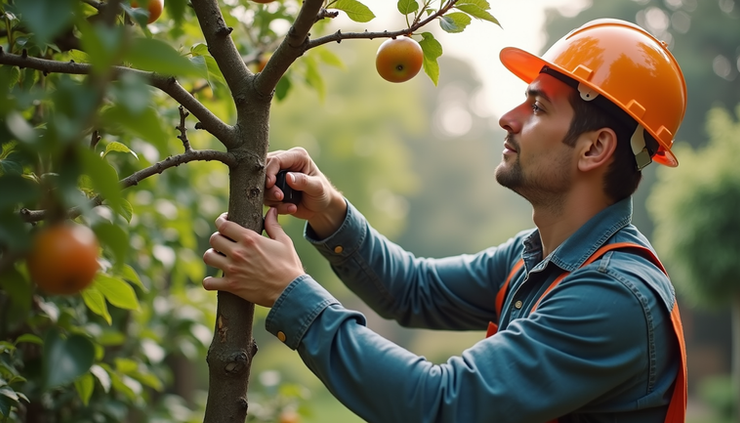
Tips for Caring for Your Fruit Trees
To get the most from your fruit trees, follow these simple care tips:
Water young trees regularly, especially during dry spells.
Mulch around the base to retain moisture and reduce weeds.
Prune annually to remove dead or crowded branches.
Thin fruit when it starts to form to improve size and quality.
Monitor for pests and diseases and act quickly if problems appear.


