
How to Save Your Damaged Tree After a Storm
Storms can leave a trail of destruction in your yard, and one of the most heartbreaking sights is a damaged tree. Trees are not only beautiful but also vital for the environment and your property’s value. When a storm strikes, it’s natural to worry about whether your tree can recover or if it needs to be removed. The good news is that many trees can be saved with the right care and attention. This guide will walk you through practical steps to help your damaged tree recover, with expert advice from Dave's Tree Service.
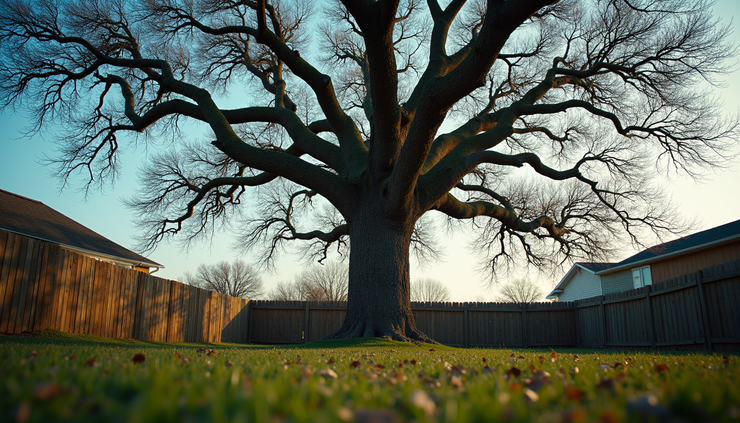
Assess the Damage Carefully
After the storm passes, the first step is to inspect your tree. Look for:
Broken or hanging branches
Cracks in the trunk or major limbs
Uprooted or leaning trees
Damaged roots exposed above the soil
Safety is crucial. If the tree is leaning dangerously or large branches are hanging precariously, avoid getting too close. Contact professionals like Dave's Tree Service to evaluate the risk and handle hazardous situations.
Remove Broken and Dead Branches
Broken branches can cause further damage if left unattended. Use clean, sharp pruning tools to remove:
Splintered branches that hang loosely
Dead or cracked limbs that won’t heal
Branches rubbing against each other
Make clean cuts just outside the branch collar (the swollen area where the branch meets the trunk). Avoid cutting flush with the trunk, as this can harm the tree’s natural healing process.
Support Leaning Trees
If your tree is leaning but still rooted, it may recover with some support. Here’s what you can do:
Use stakes and soft ties to gently stabilize the trunk
Avoid tying too tightly to prevent damage to the bark
Monitor the tree regularly and remove supports after one growing season
For large or severely leaning trees, it’s best to call Dave's Tree Service. They have the equipment and expertise to brace or cabling trees safely.
Care for Damaged Roots
Storms often loosen or expose roots, which can stress the tree. To help:
Cover exposed roots with soil or mulch to protect them
Avoid compacting the soil around the roots
Water the tree deeply during dry periods to support recovery
If roots are severely damaged or the tree is uprooted, professional help is necessary to assess whether the tree can be saved.
Promote Healing and Growth
After pruning and stabilizing, focus on helping your tree recover:
Water regularly, especially during dry spells
Apply mulch around the base to retain moisture and regulate temperature
Avoid fertilizing immediately after damage; wait until the tree shows signs of new growth
Keep an eye out for pests or diseases that can take advantage of the tree’s weakened state
Know When to Call Dave's Tree Service
Some damage requires professional intervention. Contact Dave's Tree Service if:
Large limbs or the trunk are cracked or split
The tree poses a safety hazard to people or property
You’re unsure about the extent of the damage or how to proceed
You need help with heavy pruning, cabling, or removal
Their trained arborists can provide expert advice and services to protect your tree and property.
Prevent Future Storm Damage
Once your tree is healthy again, consider these steps to reduce future risks:
Regularly prune to remove weak or dead branches
Maintain proper tree health with watering and mulching
Plant storm-resistant species suitable for your area
Inspect trees after storms and address issues promptly
Taking these precautions can save you time, money, and the heartbreak of losing a beloved tree.


